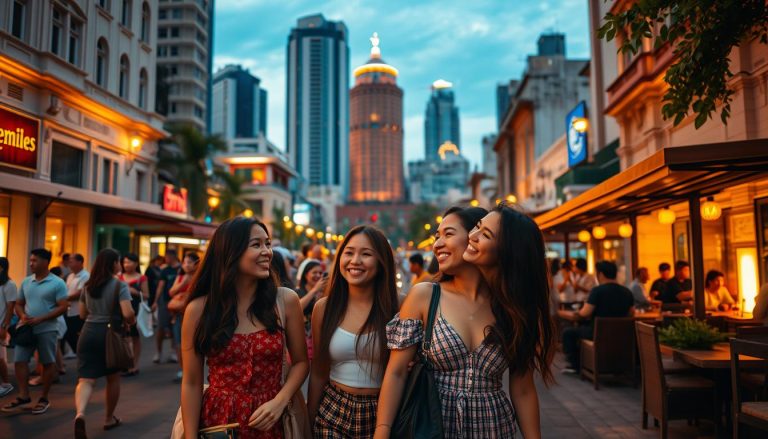
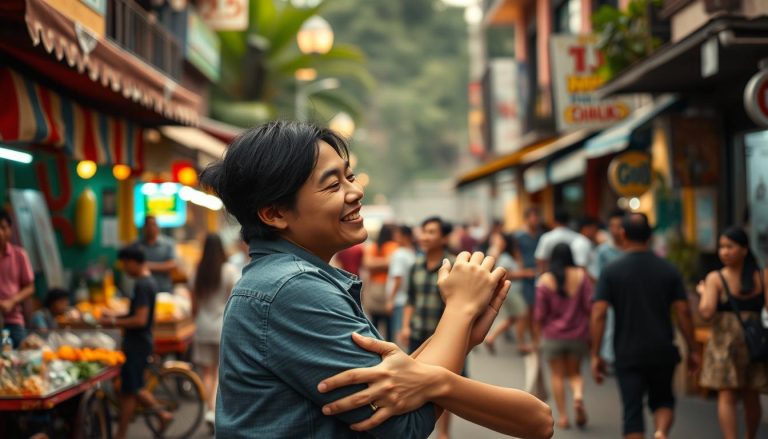
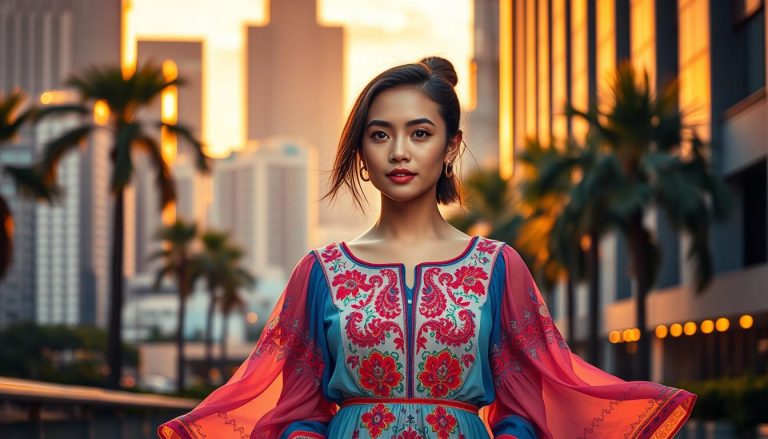
The unique dating landscape of Southeast Asia offers distinct opportunities for older Western men seeking relationships with younger women. Understanding the cultural nuances, social expectations, and relationship dynamics across countries like Thailand, the Philippines, Cambodia, Indonesia, and Vietnam is essential for creating meaningful connections. This guide explores Southeast Asia dating culture for older men with younger women and how age-gap relationships are viewed differently in Southeast Asian cultures compared to Western perspectives, providing insights into local dating customs that can help you navigate this cross-cultural journey with respect and awareness.
Why Dating Culture in Southeast Asia Matters
When exploring relationships in Southeast Asia, understanding the local dating culture isn’t just helpful—it’s essential because cultural norms, traditions, and social expectations deeply influence how people connect and interact in romantic contexts. Unlike many Western societies, where dating tends to be more casual and individual-centric, Southeast Asian cultures often emphasize family involvement, community approval, and traditional values, which shape the entire dating experience.
For instance, in many Southeast Asian countries, relationships are not merely about two individuals but are viewed within the larger framework of family honor, respect for elders, and social harmony. This means that public displays of affection, the pace at which relationships progress, and even the choice of partner can be guided by cultural protocols that might be unfamiliar to outsiders. In some cultures, dating is seen as a serious step toward marriage rather than casual dating or ‘trial’ relationships. Consequently, dating behaviors, communication styles, and expectations around commitment can vary widely.
Moreover, language, religious beliefs, and local customs add layers of meaning to actions and words that might appear straightforward in Western contexts. For example, subtle nonverbal cues, the role of gift-giving, or indirect communication styles all play a part in expressing interest or affection, which may be misunderstood without cultural insight. Additionally, societal attitudes towards gender roles, sexuality, and relationship hierarchies can shape how people approach dating, making it crucial for anyone engaging in relationships there to be sensitive, observant, and adaptable.
Recognizing these cultural nuances is not just about avoiding missteps, but about fostering genuine connections grounded in respect, understanding, and appreciation of Southeast Asia’s diverse social fabric. Without this deep cultural awareness, well-intentioned actions may be misinterpreted, potentially hindering relationship development or causing unintended offense.
The Role of Tradition and Family Expectations
Family plays a central role in Southeast Asian cultures, with many decisions—including relationship choices—influenced by family opinions. In countries like the Philippines and Vietnam, family approval remains significant even for adults. Understanding this family-centric approach helps navigate the social landscape when meeting and dating in Southeast Asia.
Many younger women in Southeast Asia maintain strong ties to traditional values despite modernization. This often translates to respecting elders, prioritizing family harmony, and seeking relationships that offer stability and security—qualities that can make older Western men attractive partners.
How Local Culture Shapes Relationships with Foreigners
Southeast Asian cultures often view relationships through a different lens than Western societies. While Western dating frequently emphasizes romantic love first, many Southeast Asian cultures balance emotional connection with practical considerations like financial stability and future security.
This cultural perspective creates a context where age-gap relationships aren’t automatically viewed with suspicion. Instead, they’re often evaluated based on whether both partners fulfill culturally expected roles—with men providing security and women offering care and companionship.
“In Southeast Asia, relationships are often viewed as complementary partnerships where each person brings different strengths. Age differences matter less than whether each person fulfills their expected role in the relationship.”
Why Older Men Are Often Seen as Desirable
Across many Southeast Asian cultures, maturity and stability are highly valued traits in potential partners. Older men are frequently perceived as having achieved financial security, emotional maturity, and life experience—qualities that align with traditional values of stability and reliability. Older Western men are also more willing to do something adventurous in a country where amazing tours are very affordable creating memorable moments during an encounter.
This cultural perspective creates opportunities for genuine connections between older Western men and younger Southeast Asian women based on mutual respect and complementary expectations. Understanding these cultural values helps distinguish authentic relationships from stereotypes.
Common Traits in Southeast Asia Dating Culture
While each Southeast Asian country possesses its own distinct cultural heritage, languages, traditions, and social norms that influence how relationships and dating are approached, there are several common patterns that often emerge across the region. These shared cultural traits offer a useful framework for understanding relationship dynamics, particularly when dating younger women in Southeast Asia.
One key commonality is the strong emphasis on family and community. In many Southeast Asian cultures, family approval and involvement play a significant role in romantic relationships. Younger women often maintain close ties with their parents and extended family, and their families’ opinions can greatly impact their dating choices and relationship progress. Respect for elders and adherence to familial expectations are valued, which can affect how openly relationships are discussed and how quickly they advance.
Another shared feature is the influence of traditional gender roles, which tend to emphasize male leadership and female nurturing qualities. While modernization and urbanization are gradually shifting these norms, many younger women may still navigate relationships within the context of culturally defined expectations around modesty, respect, and deference to male partners.
Additionally, collectivist values prevalent throughout Southeast Asia often mean that individual desires are balanced against the interests of the group—whether that be family, social circles, or community. Dating younger women from these cultures often involves understanding their sense of loyalty and responsibility toward their social networks, which can manifest in more conservative, discreet approaches to courtship as well as a preference for strong emotional bonds over casual dating.
Furthermore, due to a combination of cultural conservatism and religious influences—such as Buddhism, Islam, Christianity, and animist traditions—dating can carry different social implications compared to Western norms. Premarital dating might be more private and gradual, with an emphasis on building trust and demonstrating sincerity rather than overt expressions of affection.
While diversity exists in each country’s customs and practices, these common Southeast Asian cultural themes—family orientation, traditional gender roles, collectivism, and conservative social values—provide a foundational understanding. Recognizing these shared dynamics enables individuals to approach relationships with greater cultural sensitivity, respect, and awareness, thereby fostering stronger connections when dating younger women in the region.
Respect, Modesty, and Reputation
Public displays of affection (PDA) in Southeast Asia are generally approached with a conservative mindset due to a combination of cultural, religious, and social norms. In many Southeast Asian societies, modesty and respect for tradition are highly valued, and public behavior that may be seen as overly intimate is often discouraged. Even in more cosmopolitan and urbanized areas such as Jakarta, Bangkok, or Kuala Lumpur, where Western influences are more prevalent, excessive physical contact like prolonged hugging, kissing, or overtly passionate gestures can attract disapproval or uncomfortable attention.
This conservative outlook stems in part from religious teachings, such as those found in Islam, Buddhism, and Christianity, which emphasize restraint and decorum, especially in interactions between men and women. Moreover, family values and community reputation remain important, and public displays that might be considered private or intimate are often expected to be kept discreet to preserve social harmony.
Foreigners and visitors to the region should be particularly mindful of these cultural nuances. Casual hand-holding or brief embraces may be more acceptable, but gestures that are seen as too forward can lead to misunderstandings or even social censure. Tourists and expatriates who understand and respect these boundaries demonstrate cultural sensitivity, foster goodwill, and avoid inadvertently offending local sensibilities.
Recognizing the conservative nature of PDA in Southeast Asia is essential for anyone wishing to engage respectfully with the local population. It reflects a broader commitment to appreciating and honoring the values that shape daily life in this diverse and culturally rich region.
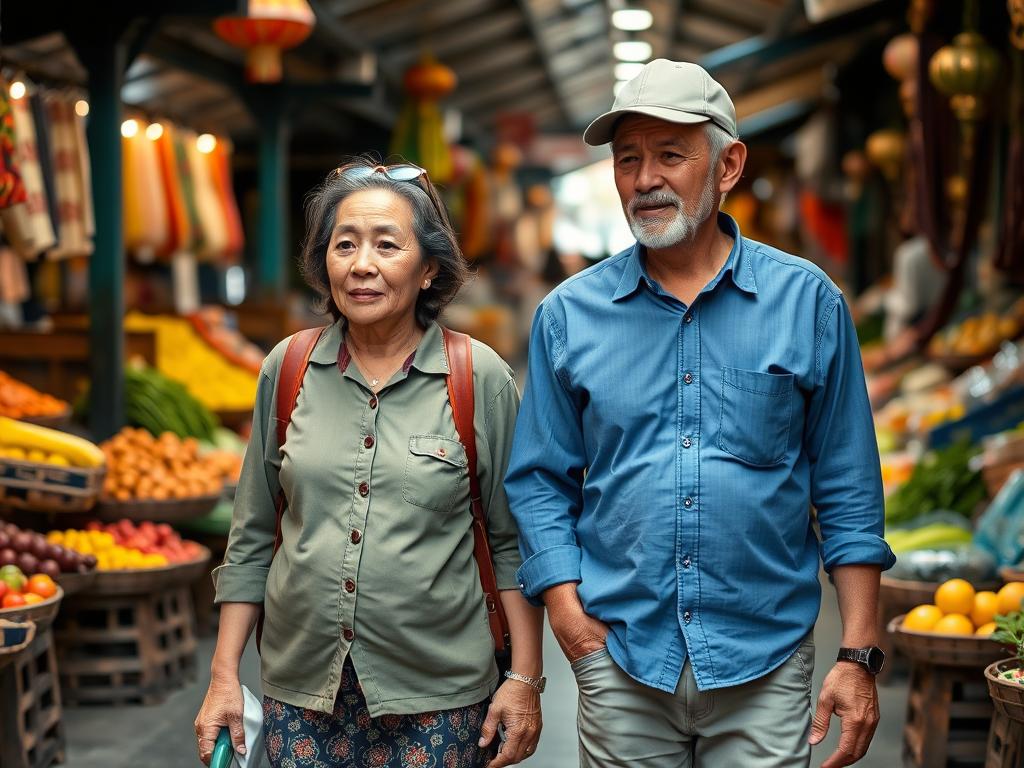
Modest public behavior remains important across Southeast Asian dating cultures
Certainly! Here’s an expanded version of that point:
For many younger women in Southeast Asia, personal reputation holds considerable importance, deeply intertwined with societal values and cultural expectations. Unlike some Western cultures, where individual choice in relationships may be prioritized, these women often navigate a network of family opinions, community perceptions, and traditional customs that shape their romantic lives. The concept of “face,” which refers to maintaining social standing, honor, and respect within one’s community, plays a critical role in this dynamic. Losing face can lead to social stigma, affecting not only the individual but also their family’s reputation.
As a result, relationship decisions are rarely made in isolation. Families often have significant influence, providing guidance and sometimes actively participating in the courtship process. Community attitudes toward dating and relationships—such as expectations about appropriate behavior, modesty, and timing—further encourage caution and discretion. This environment fosters relationships that tend to develop more gradually and carefully, allowing time to build trust, gain family approval, and ensure alignment with cultural values.
Compared to Western dating norms, which often emphasize rapid progression and individual exploration, Southeast Asian relationship patterns may be characterized by slower, more deliberate steps. This gradual development helps preserve harmony within families and communities, upholding deeply rooted social customs that prioritize collective respect and long-term stability over immediate personal gratification.
Importance of Financial Stability
Across Southeast Asia, financial stability is commonly viewed as an essential foundation for serious relationships. This perspective stems from practical cultural values rather than materialism—the ability to provide represents responsibility and commitment to family welfare.
For older Western men dating in Southeast Asia, understanding this cultural value helps distinguish between genuine appreciation for stability versus potential financial exploitation. Healthy relationships acknowledge this cultural difference without reducing connections to transactional arrangements.
“Financial stability in Southeast Asian dating culture isn’t about luxury, fancy hotels, or excess—it’s about demonstrating the capacity to fulfill traditional provider roles and ensure family security.”
Age-Gap Relationships as Cultural Norm
Unlike Western societies where significant age differences often raise eyebrows, many Southeast Asian cultures view age gaps as relatively normal—sometimes even preferable. This perspective stems from traditional values that prioritize stability, experience, and established position over youth.
This cultural acceptance creates space for genuine connections between older Western men and younger Southeast Asian women without the automatic social judgment common in Western contexts. However, this acceptance doesn’t eliminate the need for mutual respect and authentic connection.
Country-by-Country Comparison
While Southeast Asian countries share certain cultural patterns, each nation has distinct characteristics that influence dating dynamics. Understanding these differences helps navigate relationships more effectively across the region.
Thailand – Buddhism, Nightlife, and Family Values
Thailand’s dating culture is a fascinating fusion of longstanding traditional values, deeply rooted in Buddhism, and the rapidly evolving modern influences brought by globalization and Western media. Central to traditional Thai society is the emphasis on family and community harmony, where relationships are not just between two individuals but involve the acceptance and approval of the wider family network. This is especially evident in rural areas, where dating and courtship often proceed with the knowledge and blessing of parents and elders. Here, maintaining family honor and adhering to cultural expectations, such as demonstrating respect and modesty, play a significant role in romantic interactions.
At the core of Thai cultural values is the concept of “kreng jai,” a profound respect for others that encourages individuals to be considerate and avoid causing discomfort or conflict. This influences dating behaviors by promoting indirect communication and subtle gestures of affection rather than overt displays of passion or confrontations that might upset social harmony. Thai couples often exhibit patience and politeness, valuing emotional balance over intense romantic dramatics.
In contrast, urban centers like Bangkok, Chiang Mai, Pattaya, and Phuket present a more multicultural and liberal dating environment. The fast-paced city life, exposure to international cultures, and the rise of social media have introduced more Western-style dating norms such as casual dating, online dating platforms, and a more open approach to discussing relationships. Young Thais in these environments may prioritize personal choice and romantic love more openly compared to their rural counterparts, while still navigating the underlying cultural imperatives of respect and family consideration.
Despite these modern adaptations, the enduring influence of Buddhist values shapes the broader Thai approach to relationships. Concepts like karma, mindfulness, and compassion encourage mindful connections, where individuals aim for mutual kindness and long-term harmony rather than fleeting gratification. This unique blend of tradition and modernity creates a dating culture in Thailand that is both nuanced and layered, reflecting a delicate balance between maintaining cultural integrity and embracing contemporary social change.
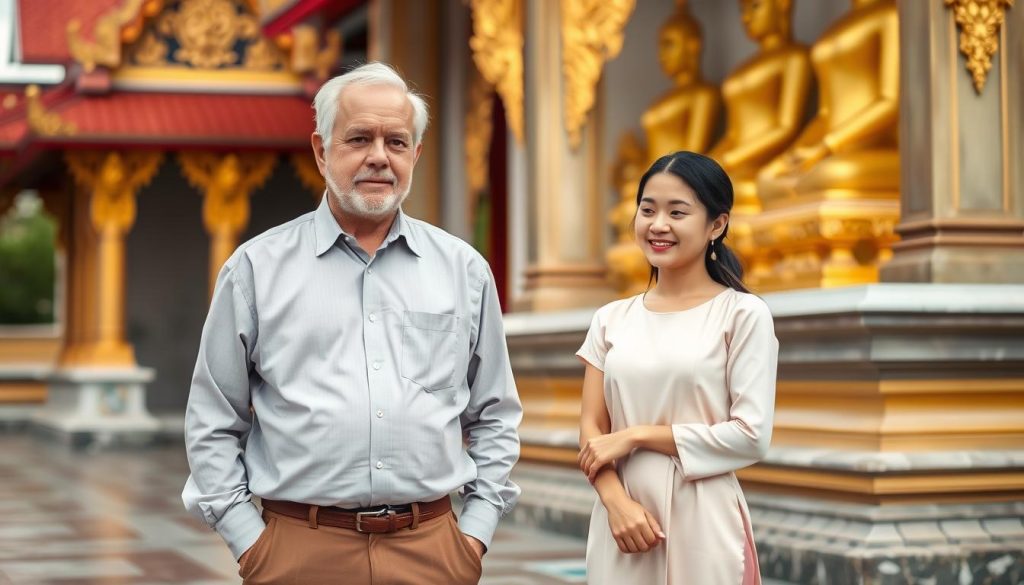
Understanding Buddhist cultural influences helps navigate relationships in Thailand
While Thailand’s nightlife reputation often overshadows other aspects of dating culture, most Thai women maintain traditional values regarding relationships. Clear distinction between entertainment industry workers and everyday Thai women seeking relationships is essential for respectful interactions.
Discover Authentic Thai Dating Opportunities
When seeking genuine connections with Thai women who are interested in serious relationships, it is important to use verified dating platforms that prioritize authenticity and security. These platforms typically implement thorough profile screening processes, including identity verification and background checks, to ensure that members are real and sincere in their intentions. By doing so, they create a safer and more trustworthy environment compared to casual dating apps or unregulated websites. Additionally, these sites often offer tools and features designed to foster meaningful conversations, such as guided messaging prompts, interest-based matching algorithms, and communication filters that help users connect on a deeper level. This focus on quality interaction increases the likelihood of building strong, lasting relationships based on mutual respect and compatibility rather than superficial attraction. Ultimately, choosing reputable, verified dating platforms can save time and reduce frustration by connecting you directly with Thai women who share your commitment to serious, long-term partnerships.
Philippines – Catholic Culture, English Advantage
The Philippines’ dating culture reflects strong Catholic influences, emphasizing family values, commitment, and long-term relationships. Family approval holds significant importance, with many Filipinas maintaining close family ties throughout relationships. The widespread English proficiency reduces communication barriers for Western men in major cities like Angeles City, Cebu, and Manila.
Filipino dating culture often progresses from friendship to formal courtship before establishing relationships. Traditional values of respect, patience, and demonstrating serious intentions remain important even in modern dating contexts. Understanding these expectations helps build trust with both potential partners and their families.

Family acceptance plays a significant role in Filipino dating culture
Vietnam – Traditional Roles with Modern Influence
Vietnam’s dating culture balances traditional Confucian values with increasing modernization. Family opinion remains highly influential, with many Vietnamese women seeking relationships that their families will approve. Traditional gender roles often persist alongside evolving perspectives in urban areas.
Vietnamese dating culture typically progresses more gradually than Western dating, with emphasis on getting to know potential partners thoroughly before commitment. Respect for elders, family harmony, and demonstrating serious intentions remain important cultural values in relationship development. City centers like Da Nang, Hanoi, and Ho Chi Minh City are good examples.
Experience Vietnamese Culture Firsthand
Stay in guest-friendly accommodations that welcome foreign visitors and provide cultural insights for better understanding Vietnamese dating customs.
Find Guest-Friendly Hotels in Vietnam
Cambodia – Simplicity and Growing Modernity
Cambodia’s dating culture reflects traditional values while gradually incorporating modern influences. Family approval remains essential, particularly for serious relationships. Cambodian culture generally values modesty, respect for elders, and clear intentions in relationships.
While Cambodian society is modernizing, particularly in urban areas like Phnom Penh and Siem Reap, traditional expectations regarding gender roles and relationship progression remain influential. Understanding these cultural patterns helps navigate relationship development respectfully.
How Younger Women See Older Men in Southeast Asia
Understanding the perspective of younger Southeast Asian women helps develop authentic connections based on mutual respect and realistic expectations. Several cultural factors influence how these women view relationships with older Western men.
Security, Maturity, and Worldliness
Many younger women in Southeast Asia value the emotional maturity and life experience that older men bring to relationships. This appreciation stems from cultural values that prioritize stability and wisdom over physical attributes or youth. Emotional reliability and consistent behavior often rank highly in desirable partner qualities.
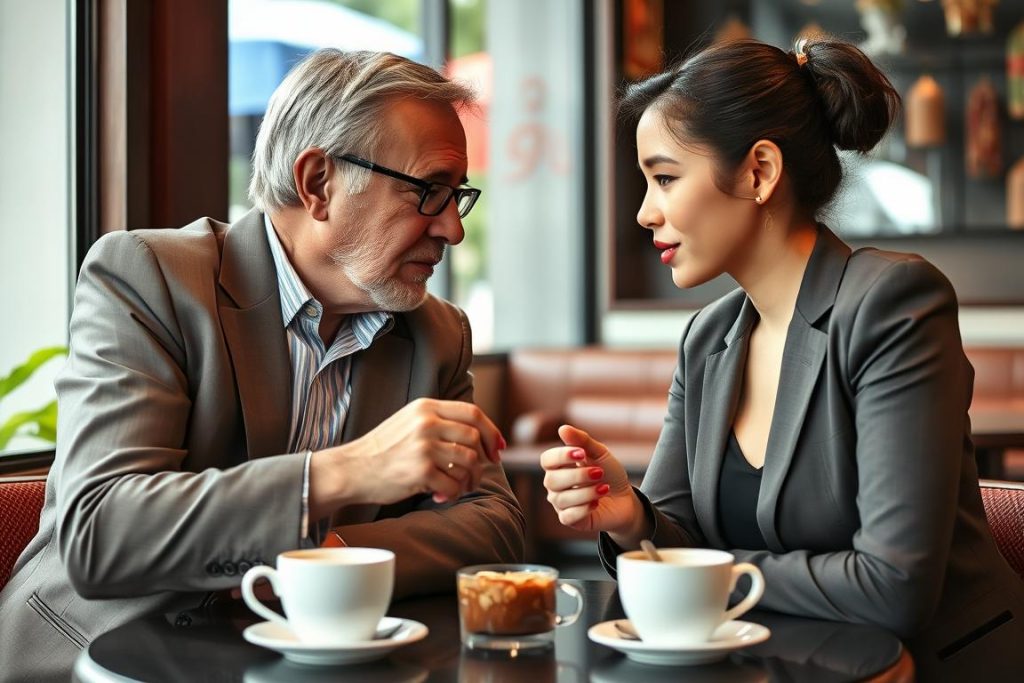
Meaningful conversation and emotional connection form the foundation of successful relationships
Financial stability represents security and reliability in cultures where social safety nets may be limited. Rather than simple materialism, this perspective often reflects practical concerns about building stable futures. Understanding this cultural context helps distinguish between genuine appreciation for stability and potential exploitation.
Attraction to Expats and Foreigners
Cultural curiosity and interest in different perspectives attract some Southeast Asian women to Western men. This interest often extends beyond superficial factors to genuine appreciation for different worldviews, communication styles, and life experiences that cross-cultural relationships offer.
Many younger women in Southeast Asia perceive Western men as potentially offering more egalitarian relationships compared to some traditional local expectations. This perception varies significantly by country, region, and individual, but often includes expectations of greater personal freedom and shared decision-making.
“Cross-cultural relationships offer unique opportunities for both partners to expand their perspectives and create relationship dynamics that blend the best aspects of different cultural traditions.”
Balancing Romance with Practicality
Southeast Asian dating cultures often balance emotional connection with practical considerations more explicitly than Western approaches. This cultural perspective views sustainable relationships as requiring both romantic compatibility and practical foundations like financial stability and family harmony.
Understanding this cultural balance helps develop relationships that address both emotional and practical aspects of partnership. Successful cross-cultural relationships acknowledge these different perspectives rather than imposing purely Western romantic ideals.
Challenges for Older Men to Navigate
While Southeast Asian dating cultures offer unique opportunities for older Western men, several challenges require thoughtful navigation. Understanding these potential obstacles helps develop more successful cross-cultural relationships.
Language Barriers
Communication challenges extend beyond basic language differences to include cultural communication styles. Many Southeast Asian cultures value indirect communication that preserves harmony and avoids confrontation—a stark contrast to direct Western approaches.

Technology can help bridge communication gaps, but cultural understanding remains essential
Learning basic phrases in your partner’s language demonstrates respect and commitment to cross-cultural understanding. Even simple greetings and expressions of appreciation can significantly improve connection and show genuine interest in cultural exchange.
Break Through Language Barriers
Access language learning resources specifically designed for dating contexts in Southeast Asia, with essential phrases and cultural insights for better communication.
Get Southeast Asian Language Guides
Scams and False Expectations
While most relationships begin with genuine intentions, awareness of common scams helps protect against potential exploitation. Red flags include requests for money early in relationships, reluctance to video chat, or inconsistent personal stories that change over time.
Building relationships gradually allows time to verify consistency and authenticity. Rushing into financial commitments or marriage without sufficient time to develop mutual understanding increases vulnerability to potential scams.
Warning Signs to Watch For: Immediate requests for financial help, reluctance to introduce family members, pressure for quick marriage, or inconsistent personal details that change over time.
Managing Jealousy and Family Involvement
Family involvement in relationships typically extends further in Southeast Asian cultures than in Western contexts. Understanding this cultural difference helps navigate family relationships respectfully rather than perceiving them as intrusion or interference.
Different cultural expectations regarding opposite-sex friendships can create misunderstandings around jealousy and appropriate boundaries. Clear communication about cultural differences in this area helps prevent unnecessary relationship tension.
Tips for Success
Building successful relationships across cultural differences requires intentional effort and cultural awareness. These practical strategies help navigate Southeast Asian dating cultures respectfully and effectively.
Respect Cultural Norms
Demonstrating respect for local customs shows genuine interest in your partner’s cultural background. This includes appropriate public behavior, respectful interactions with family members, and awareness of important cultural celebrations and traditions.
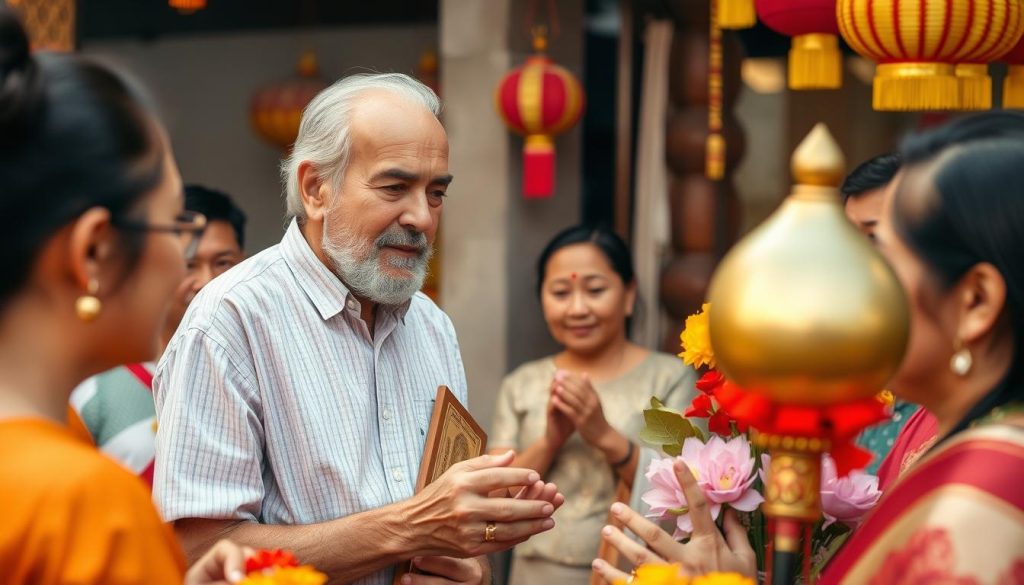
Participating in cultural traditions demonstrates genuine interest and respect
Learning about your partner’s cultural background shows commitment to understanding their perspective. This includes researching cultural values, historical context, and social expectations that shape their worldview and relationship expectations.
Be Upfront About Your Intentions
Clear communication about relationship goals helps establish mutual understanding and avoid misaligned expectations. Many Southeast Asian cultures value straightforward intentions regarding long-term commitment versus casual dating.
Transparency about personal circumstances—including previous marriages, children, and financial situations—builds trust and demonstrates respect. This honesty allows potential partners to make informed decisions about relationship compatibility.
- Communicate your relationship timeline and expectations clearly
- Be honest about your living situation and whether relocation is possible
- Discuss family expectations on both sides early in the relationship
- Address financial expectations transparently to avoid misunderstandings
- Be clear about whether marriage is a potential future goal
Learn a Little Local Language
Even basic language efforts demonstrate respect and commitment to cross-cultural understanding. Learning simple greetings, expressions of appreciation, and common phrases shows genuine interest in your partner’s cultural background.
Language learning creates opportunities for cultural exchange that strengthen relationships. Having your partner teach you phrases while you share English creates mutual learning experiences that build connection.
Ready to Meet Southeast Asian Women?
Explore verified dating platforms that connect Western men with Southeast Asian women seeking genuine relationships based on mutual respect and compatibility.
Final Thoughts
Southeast Asia offers unique opportunities for older Western men seeking relationships with younger women within cultural contexts that often view age gaps more positively than Western societies. Understanding these cultural differences helps develop authentic connections based on mutual respect and realistic expectations.

Cross-cultural relationships offer unique opportunities for meaningful connection and personal growth
Successful relationships balance appreciation for cultural differences with recognition of universal human needs for respect, understanding, and authentic connection. This balanced approach avoids both cultural stereotyping and ignoring relevant cultural contexts.
The journey of cross-cultural dating in Southeast Asia offers opportunities for personal growth, expanded perspectives, and meaningful connections when approached with respect, cultural awareness, and genuine interest in mutual understanding.
Begin Your Southeast Asian Dating Experience
Take the first step toward finding meaningful connection by exploring reputable dating platforms, booking accommodations in Southeast Asia, and learning more about local dating cultures.