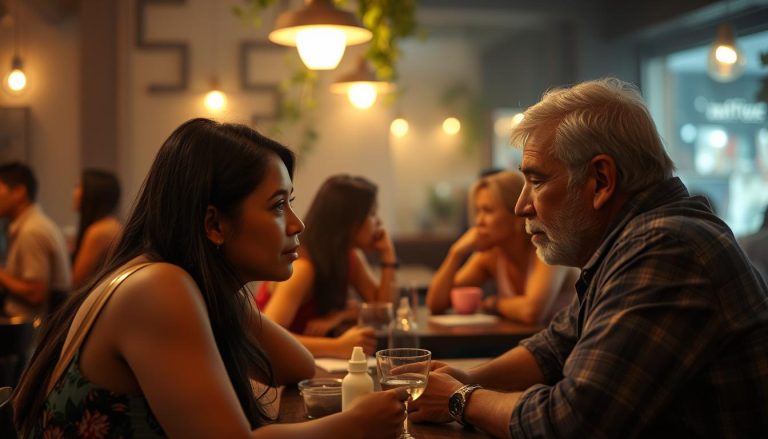
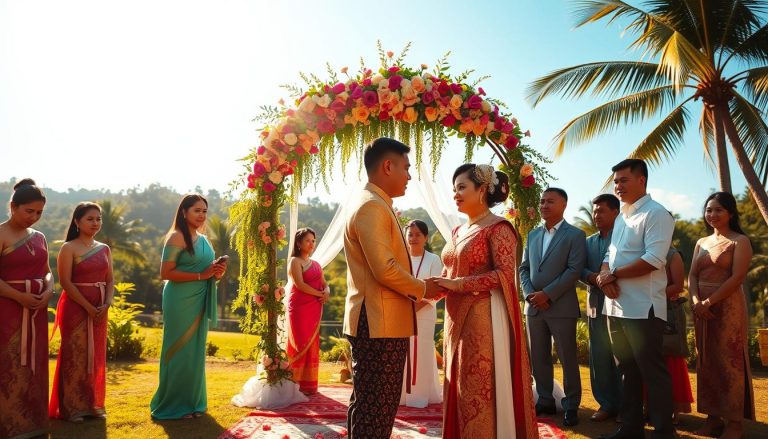
If you’re an older foreign man looking to date a Filipina, knowing the culture is key. Family is a big deal in Filipino society.
Dealing with cultural differences can be tough. But knowing is the first step. You’ll need to get the customs and traditions of Filipina dating.
Key Takeaways
- Understand the importance of family in Filipino culture.
- Be aware of the cultural nuances in Filipina dating customs.
- Learn how to navigate the differences between your culture and hers.
- Respect and adapt to the local traditions and values.
- Build a connection based on mutual understanding and respect.
Understanding Filipino Family Culture
At the heart of Filipino culture is a deep respect for family and tradition. Family is not just important; it’s the foundation of society. Knowing this is key when exploring Filipina relationship traditions and their expectations.
The Central Role of Family in Filipino Society
Family is at the heart of Filipino identity. Filipinos put family first, often over personal needs. This strong bond shapes life, including dating and relationships. In cultural expectations in Filipina dating, family opinions matter a lot.
Extended Family Dynamics
Unlike many Western cultures, Filipinos live in close-knit extended families. Grandparents, aunts, uncles, and cousins help shape family decisions. When dating a Filipina, you meet her whole family.
Generational Hierarchies and Respect
Respecting elders is a big part of Filipino culture. Older family members have a lot of respect and authority. This affects how Filipinas date and build relationships.
The Significance of Family Expectations in Filipina Dating
Family expectations are very important in Filipina dating. Knowing this helps you understand relationships in the Philippines better. The family is not just a support system; it’s a key part of life, including dating.
When dating a Filipina, understanding family expectations is crucial. It helps build a strong and lasting relationship.
How Family Shapes Dating Decisions
In Filipina culture, family plays a big role in dating choices. Family members often give advice based on their experiences and values. This can include casual talks or serious discussions about your future together.
You need to be ready to talk with your partner’s family. It’s important to understand their views on your relationship.
The Collective vs. Individual Approach to Relationships
Filipino culture sees relationships as a group effort. Family needs and opinions are often considered first. This is different from Western cultures, where personal choices are more important.
It’s key to respect this collective mindset when dating a Filipina. This can greatly affect your relationship’s dynamics.
Why Family Approval Matters
Getting your partner’s family to approve is very important. Their approval means they accept and support your relationship. You need to show respect, understand their values, and commit to your partner.
This way, you can build a strong relationship. It also helps you deal with the challenges of intercultural dating.
Traditional Values in Filipina Dating Culture
Dating a Filipina means learning about many traditional values. It’s key to building a strong, respectful bond.
Respect and Deference to Elders
In Filipino culture, elders are highly respected. When dating a Filipina, showing respect to her family is important. Use titles like “Lolo” or “Lola” for grandparents and “Tito” or “Tita” for older relatives or family friends.
Conservative Approaches to Courtship
Filipina dating is often conservative, especially in courtship. Public affection is not common. Relationships move at a slower pace than in some other cultures.
Religious Influences on Dating Customs
The Philippines is mostly Catholic, and religion shapes dating customs. Knowing this can help you date better.
Catholic Traditions
Catholicism deeply influences Filipina dating culture. Many Filipinas grow up with strong Catholic values. These values shape their relationship expectations.
Other Religious Considerations
While Catholicism is dominant, other religions also matter. It’s important to respect your partner’s religious background and practices.
| Traditional Value | Description | Impact on Dating |
|---|---|---|
| Respect for Elders | Deep-seated respect for older family members. | Expectation to show deference to her family. |
| Conservative Courtship | Slow and cautious approach to relationships. | Less public display of affection, slower pace. |
| Religious Influence | Strong Catholic values and other religious beliefs. | Influences relationship expectations and behaviors. |
Respecting these traditional values can help you build a stronger bond with your Filipina partner.
Meeting Her Parents: The First Critical Step
Meeting your Filipina partner’s parents is a big step. It’s important to understand Filipina dating customs and cultural expectations in Filipina dating. Knowing how to handle this meeting well is crucial for a strong relationship.
Timing and Protocol
When to meet your partner’s parents is key. In Filipina culture, couples usually spend a lot of time together before meeting the parents. Talk with your partner about the right time and make sure you agree.
Gift-Giving Customs
Bringing a gift shows respect. Traditional gifts are fruits, chocolates, or wine. Make sure your gift is nicely presented to show you care.
Making a Positive First Impression
Your first impression is very important. What you wear, how you act, and what you say all matter.
Dress Code and Appearance
Wear something modest and neat. Don’t wear anything too casual or flashy, as it might be seen as rude.
Conversation Topics to Embrace and Avoid
Talk politely and show interest in their family and culture. Stay away from topics that could be seen as offensive.
By being careful with these things, you can make a good impression. This helps start a good relationship with your partner’s family.
The “Pamanhikan” Tradition: Formal Introduction to the Family
Embracing the “Pamanhikan” tradition shows your commitment to your Filipina partner’s family. This ceremony marks the suitor’s formal introduction to the family. It’s a serious step towards marriage.

What to Expect During This Ceremony
The “Pamanhikan” is a formal gathering where you meet your partner’s family officially. You’ll have a respectful talk with their parents about your future plans.
The ceremony is solemn, focusing on respect for your partner’s family. You might need to wear formal clothes and bring gifts as a gesture of goodwill.
Your Role as a Foreign Suitor
As a foreign suitor, understanding cultural nuances is key. Show respect for traditions you may not know well. Your role is to prove your sincerity and commitment to your partner and her family.
“The ‘Pamanhikan’ is not just a formality; it’s a declaration of your seriousness and a sign of respect for her family’s values and traditions.”
Modern Adaptations of Traditional Practices
In modern times, the “Pamanhikan” tradition has changed. Some families are more relaxed, while others stick to old ways.
| Traditional Practices | Modern Adaptations |
|---|---|
| Formal attire required | More casual dress code in some families |
| Strict protocol for gift-giving | More flexible gift-giving customs |
Knowing these changes helps you handle the “Pamanhikan” ceremony with confidence. It shows respect for your partner’s cultural heritage.
Navigating Age Gap Perceptions in Filipino Families
Building a relationship with a Filipina partner means dealing with age gaps. These gaps can worry people, but in Filipino families, it’s even more complex.
Common Concerns About Age Differences
Filipino families worry about big age gaps. They think about the challenges and what others might say. They worry about life stages, energy, and planning for the future.
How to Address Family Hesitations
To calm family worries, show you’re serious and committed. Talk openly, respect their culture, and share your future plans.
Cultural Perspectives on May-December Relationships
In the Philippines, views on age gaps are shaped by tradition and social norms. Some families are okay with May-December relationships. But others might be more traditional.
Demonstrating Sincerity and Commitment
Showing real interest in your partner’s family and culture builds trust. Learning their language or joining family traditions shows you care. This helps ease worries about age gaps and strengthens your bond.
Knowing and respecting family values in dating is key. By understanding cultural nuances and talking openly, you can connect better with your partner and their family.
Financial Expectations and Misconceptions
Understanding financial expectations is key in a relationship with a Filipina partner. The money matters in dating a Filipina are complex. They are shaped by culture, family, and the economy.
Understanding Filipino Family Economics
Filipino families manage money together. They share resources and help each other financially. This creates a strong bond among family members.
The “Bayanihan” spirit, or unity and cooperation, is important in Filipino culture. It affects money matters too. Knowing this can help you deal with financial expectations when dating a Filipina.
| Financial Aspect | Cultural Significance |
|---|---|
| Family Support | Filipinos often prioritize supporting their family financially, reflecting the strong family bonds in Filipino culture. |
| Remittances | Overseas Filipinos frequently send remittances back home, contributing significantly to the Philippine economy. |
| Financial Obligations | Dating a Filipina may involve understanding and respecting her financial obligations to her family. |
The “Provider” Role in Filipino Culture
In Filipino culture, men are often seen as the main breadwinners. But, this is changing, especially with younger Filipinas. They now value equality and mutual support in relationships.
Distinguishing Between Cultural Norms and Potential Red Flags
It’s important to know the difference between cultural norms and red flags in a relationship. While family support is valued, too much pressure for money or materialism can be a problem.
Setting Healthy Boundaries
Setting clear financial boundaries is key. Talk openly with your partner about your money situation, what you expect, and your limits. This mutual understanding can make your relationship stronger.
By understanding the cultural context of money in Filipina dating and keeping communication open, you can handle these issues well. This will help build a stronger, more lasting relationship.
Communication Challenges with Filipino In-Laws
Talking to your partner’s family in the Philippines can be tough. It’s key to understand and solve these communication problems. This helps build a strong and lasting bond.
Language Barriers and Solutions
Language differences can block communication with your Filipina partner’s family. Many speak English, but cultural references might get lost. To get past this, you can learn Filipino or use translation tools.
Learning basic Filipino phrases helps. Using translation apps for big talks is smart. And don’t get frustrated with language gaps.
Indirect Communication Styles
Filipino culture values indirect talk to keep peace. This can cause misunderstandings. Knowing this helps you talk better with them.
“In many Asian cultures, including the Philippines, ‘saving face’ is crucial. This means avoiding direct confrontation or criticism to maintain family harmony.”
Using Technology to Bridge Gaps
Technology is great for talking to your partner’s family. Video calls make you feel closer. Messaging apps keep you updated.
Useful Translation Tools and Resources
- Google Translate for quick translations
- Language learning apps like Duolingo for learning Filipino
- Video conferencing tools like Zoom for face-to-face interactions
| Tool | Purpose | Benefit |
|---|---|---|
| Google Translate | Quick translations | Easy to use, supports many languages |
| Duolingo | Language learning | Interactive, gamifies learning |
| Zoom | Video conferencing | Facilitates face-to-face communication |
Family Expectations in Filipina Dating: Long-Distance Considerations
Long-distance relationships with Filipina partners need a deep understanding of cultural nuances. Family expectations shape their dating dynamics. When you’re far from your partner, staying connected with her family is key.
Maintaining Family Connections Across Borders
To keep the relationship strong, stay connected with your partner’s family. Regular communication is vital. Use phone calls, video messages, or social media updates.
Virtual Family Gatherings
Joining virtual family gatherings is important. This can include online celebrations, sending digital gifts, or being available for video calls. It helps you stay part of their family life.
Planning Visits and Reunions
Planning visits to see your partner and her family is crucial. It shows your commitment. You get to spend quality time together, strengthening your bond.
Important Dates and Occasions to Remember
Remembering birthdays, anniversaries, and holidays is key. Sending thoughtful gifts or messages shows you care. It shows respect for her family.
By keeping connections, joining virtual gatherings, planning visits, and remembering important dates, you can handle long-distance relationships. You respect and honor her family’s expectations.
The Role of Extended Family in Your Relationship
When you’re in a relationship with a Filipina, you’ll see how her family is a big part of her life. In Filipino culture, family is very close. Knowing how they work together is key to a strong relationship.
Aunts, Uncles, and Cousins: Their Influence
In the Philippines, aunts, uncles, and cousins have a big say in family matters. They give advice, support, and help with big decisions. Showing respect for them can really help your relationship with your Filipina partner.
Godparents and Ritual Kinship
Godparents, or “ninong” and “ninang,” are very special in Filipino culture. They act as lifelong mentors or friends. Knowing their importance can help you understand family ties better. Showing respect for them shows you’re committed to being part of the family.
Building Rapport with the Wider Family Circle
To connect well with your Filipina partner’s family, be respectful, interested, and open to learning. Small acts, like bringing a gift or asking about their interests, can make a big difference. This way, you’ll get to know your partner’s family better and create a supportive relationship environment.

Holidays and Family Celebrations: Your Participation
Holidays and family celebrations are big in Filipina culture. Your part in them can make your bond with your partner and her family stronger. Knowing how to join in respectfully is key to a good relationship.
Major Filipino Celebrations
Filipino families celebrate many holidays each year. Christmas and Holy Week are especially important.
Christmas and New Year Traditions
Filipinos love their Christmas, with Simbang Gabi (Night Mass) and gift exchanges on Christmas Eve. You can join these by going to mass or helping out.
Holy Week Observances
Holy Week is for deep thinking, with Visita Iglesia (visiting churches) and Stations of the Cross. Joining these shows you respect their traditions.
Gift-Giving Expectations
Gift-giving is big in Filipino celebrations. At family gatherings, think about bringing food, wine, or other gifts. Here’s a simple guide for major Filipino celebrations:
| Celebration | Gift Ideas |
|---|---|
| Christmas | Food baskets, wine, or children’s toys |
| Holy Week | Religious items or simple, solemn gifts |
Blending Cultural Traditions
You can also share your own cultural traditions at these celebrations. This can make your bond with your partner’s family even stronger.
Planning for the Future: Family Expectations About Marriage
Planning your future with a Filipina partner is more than personal choices. It’s about knowing what their family expects about marriage. This knowledge helps you deal with the challenges of being in an intercultural relationship in the Philippines.
Traditional vs. Modern Wedding Expectations
In the Philippines, weddings mix old and new traditions. Some families stick to old customs, while others prefer new ways. It’s important to talk about what your partner’s family wants for the wedding.
- Traditional weddings often have big family gatherings, church ceremonies, and cultural rituals.
- Modern weddings might be smaller, civil, or mix different cultures.
The “Dowry” Concept in Modern Context
The dowry idea comes from old times, including the Philippines. Today, it’s not as common but still shows up in different ways. It might mean money for the couple or help for the bride’s family.
Talking openly about money matters with your partner is key.
Religious Considerations
Religion is big in Filipino culture and affects marriage plans. Knowing your partner’s family’s religious background is important.
Catholic Marriage Requirements
The Philippines is mostly Catholic, and the Church has rules for marriage. If you want a Catholic wedding, you’ll need to go to counseling and meet Church rules.
Interfaith Relationships
If you and your partner have different religions, talking about it is crucial. Some families are okay with different religions, while others have their own rules.
Understanding these cultural and religious aspects helps you plan your future together better.
Relocating Your Filipina Partner: Family Implications
When you decide to move your Filipina partner, think about the family effects. Moving is more than just packing; it’s about family and how it changes. You need to think about how it affects your partner’s family.
Preparing Families for Separation
Talking to your partner’s family about moving is key. Be open and honest about why you’re moving. Explain how it will help your relationship.
- Explain the reasons for the relocation
- Discuss the benefits of the move for your partner and your relationship
- Address any concerns they may have about the distance
Maintaining Ties After Moving
Keeping in touch with family is important for your partner’s happiness. Here’s how:
- Regular video calls to stay connected with the family
- Sharing updates about your life in your new location
- Encouraging your partner to stay in touch with her family through regular communication
Supporting Your Partner Through Homesickness
It’s normal for your partner to miss home. Be patient and understanding. Help her keep in touch with her culture and community.
Creating Filipino Community Connections in Your Country
Help your partner feel at home by connecting with the Filipino community. Here’s how:
- Attending Filipino cultural events
- Joining online forums or social media groups for Filipinos living abroad
- Connecting with other couples in similar situations
By doing these things, you can make your partner feel more at home. Understanding and addressing family issues can make your relationship stronger. It helps your partner adjust to the new place.
Cultural Adaptation for Older Foreign Men
Learning about your Filipina partner’s culture can make your relationship better. As an older foreign man, it’s key to understand and adapt to Filipino culture. This helps build a strong relationship.
Learning Filipino Cultural Nuances
Filipino culture is full of traditions and values. These are often centered around family and community. To get along, you need to know the small things that shape your partner’s life.
- Understand the importance of family and respect for elders in Filipino culture.
- Learn about traditional Filipino values and how they influence daily life and relationships.
- Familiarize yourself with local customs and practices, especially those related to dating and courtship.
Adapting Without Losing Your Identity
Adapting to a new culture is a two-way street. It’s important to respect your partner’s culture while keeping your own identity.
By finding a balance, you can make your relationship richer and more exciting.
Building Cross-Cultural Communication Skills
Good communication is crucial in any relationship, especially in ones across cultures.
Language Learning Resources
Learning some Filipino phrases shows you care about your partner’s culture. There are many ways to learn, like apps and websites.
- Start with basic phrases like “Salamat” (thank you) and “Mahal kita” (I love you).
- Use language learning apps to improve your vocabulary and grammar.
- Practice speaking with native speakers or language exchange partners.
Conclusion: Building Lasting Relationships with Filipino Families
Building a lasting relationship with a Filipina means understanding her family’s values and traditions. You’ve learned how family influences dating choices and the importance of meeting her parents. This knowledge helps build a strong relationship foundation.
Remember, family expectations in Filipina dating come from culture and religion. Showing respect for her family’s values can create a strong bond with your partner and her family.
Being aware of challenges like age gaps and financial expectations helps you address them. Filipina traditions may be different, but being open-minded can deepen your understanding and appreciation for each other.