When thinking about a long-term partnership in Southeast Asia, knowing the local marriage customs is key. This is especially true for age gap relationships.
You might wonder how cultural differences affect your relationship. In Southeast Asia, old traditions and family bonds shape marriage expectations. Knowing these cultural details can make your partnership smoother.
Key Takeaways
- Understanding local marriage customs is vital for a successful age gap relationship.
- Cultural differences can significantly impact partnership expectations.
- Traditional values and family ties are essential in Southeast Asian cultures.
- Awareness of cultural nuances can help navigate partnerships more effectively.
- Age gap relationships require special consideration of local customs.
Understanding Southeast Asian Marriage Culture
To understand Southeast Asian marriage culture, we must look at its history and family’s role. Marriage here is shaped by long-held values and norms.
Historical Context of Marriage in the Region
Southeast Asia’s history is rich with different cultures like Buddhism, Islam, and indigenous traditions. These have made marriage a complex part of the culture.
- Buddhist traditions stress family harmony and respect for elders.
- Islamic customs add their own values and practices to weddings.
- Indigenous cultures bring unique rituals and expectations to marriage.
The Role of Family in Marriage Decisions
Family is key in choosing a spouse in Southeast Asia. The choice to marry involves both the couple and their families.
In many cultures here, family is seen as essential. Marriage is seen as a way to strengthen family bonds and ensure economic stability. So, traditional values and societal norms greatly influence marriage.
By exploring these points, we can better understand Southeast Asian marriage culture and what shapes it.
Age Gap Relationships: A Cultural Perspective
The cultural view of age gap relationships in Southeast Asia is complex. It shows both old and new ideas. Knowing these cultural details is key when you’re thinking about marriage here.
Traditional Views on Age Differences Between Spouses
Traditionally, Southeast Asian cultures saw age gaps differently. A bigger gap was often seen as stable and respectful. For example, in some Indonesian cultures, a big age gap meant wisdom and experience.
“In some cultures, the age difference is not just a number; it’s a sign of respect and tradition.”
Modern Shifts in Attitudes Toward Age Gaps
But, modern views are changing. Younger people, thanks to global influences, are questioning old norms. In cities, especially, there’s a move towards smaller age gaps and more equal relationships.
Societal Acceptance Across Different Countries
How much societies accept age gap relationships varies in Southeast Asia. For example, Thailand is more open than Vietnam. Knowing these differences helps you understand cultural expectations in Southeast Asian marriages.
Looking at age gap relationships in Southeast Asia, we see both old and new views matter. By respecting these cultural differences, you can handle the marriage complexities in this diverse area better.
Marriage Expectations in Southeast Asia: Regional Overview
Exploring marriage expectations in Southeast Asia shows a rich mix of cultures. The area’s marriage scene is filled with both common values and unique traditions for each country.
Common Threads Across Southeast Asian Cultures
Despite the differences, some things are the same across Southeast Asia. Family is key in choosing a spouse. “Family is not just important in Southeast Asia; it’s the foundation of society,” says a cultural expert.
This focus on family is seen in the big ceremonies and community involvement in traditional weddings.
Notable Differences Between Countries
Even with commonalities, each country has its own marriage expectations. In Thailand, Buddhist rituals are part of weddings. In Indonesia, Islamic traditions are key.
These differences show the area’s rich culture. It’s important for couples to know the local customs and expectations.
Urban vs. Rural Expectations
Marriage expectations change a lot between cities and countryside. Cities often have more modern and open views on marriage. Rural areas stick to old ways.
This difference is clear in how weddings are done and what’s expected of spouses.
Knowing these differences is key to understanding marriage in Southeast Asia. As the area changes, so will marriage, blending old and new.
The Influence of Religion on Marriage Customs
Marriage customs in Southeast Asia are shaped by many religions. As you look into the region’s diverse practices, you’ll see religion’s big role. It affects how people view age, marriage, and family.
Buddhist Perspectives on Marriage and Age
In places like Thailand and Cambodia, Buddhism guides marriage but doesn’t set strict rules. It doesn’t say much about age differences between partners. But it does stress the importance of respect and understanding.
Islamic Traditions in Marriage
In Indonesia and Malaysia, Islam shapes marriage customs. The age of marriage is based on Islamic law, looking at the bride’s readiness and the groom’s ability to support. Family plays a big role in choosing partners, showing the value of family in Islam.
Christian Influences in the Philippines and Parts of Indonesia
In the Philippines, a mostly Christian country, marriage customs reflect Christian values. The age of marriage is thought of in terms of emotional and financial readiness. In some parts of Indonesia, Christianity also shapes marriage customs, focusing on love and respect.
| Religion | Country | Influence on Marriage Customs |
|---|---|---|
| Buddhism | Thailand, Cambodia | Emphasis on mutual respect and understanding |
| Islam | Indonesia, Malaysia | Guided by Islamic law, with considerations for maturity and provision |
| Christianity | Philippines, parts of Indonesia | Emphasis on mutual love, respect, and financial stability |
Knowing about these religious impacts helps you understand Southeast Asia’s marriage customs. It shows the rich variety across the region.
Family Dynamics and Hierarchies
Understanding family hierarchies is key in Southeast Asian marriages. Family dynamics shape marital expectations and societal norms.
Respecting Elders and Authority Structures
In Southeast Asia, respect for elders is a big deal. When you marry into a family here, knowing and respecting family authority is important. This means showing respect to older family members and understanding their roles in making decisions.
For example, elders are not just respected for their age. They are also valued for their wisdom and life experience. This respect is shown in customs and rituals that honor them.
Your Role Within the Extended Family
When you marry into a Southeast Asian family, knowing your role is crucial. You need to learn about family expectations and how you can help the family.
Your role might include going to family gatherings, respecting traditions, and taking on family responsibilities. Being open to learning and adapting can strengthen your relationship with your spouse and their family.
Navigating Family Decision-Making Processes
Family decisions in Southeast Asia often involve everyone, especially elders. Knowing how to navigate these processes can help you make good decisions and keep the family happy.
To navigate family decisions well, it’s important to understand cultural nuances and communication styles. This might mean being more reserved and letting elders lead discussions.
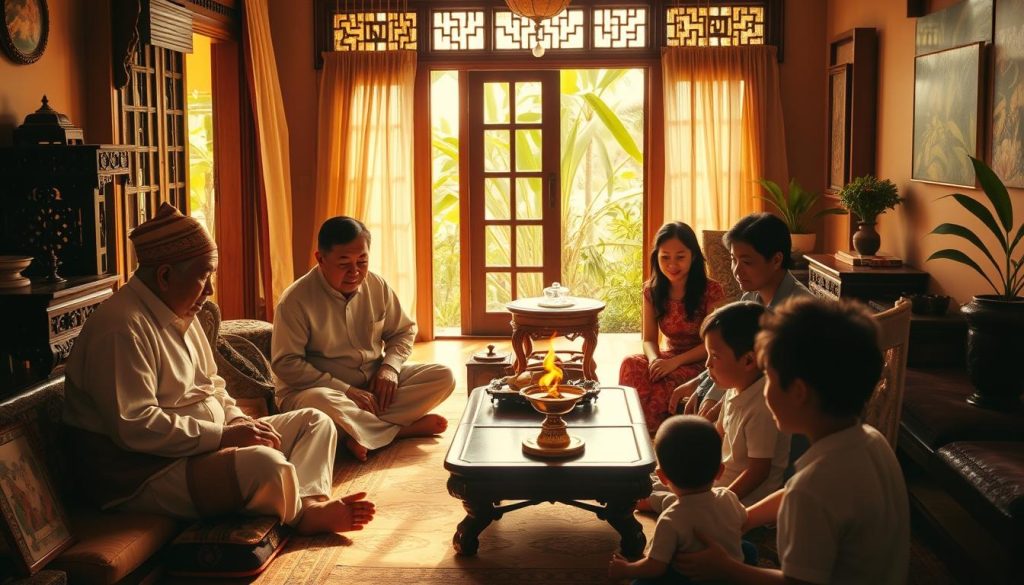
The table below shows some key aspects of family dynamics and hierarchies in Southeast Asia:
| Culture | Respect for Elders | Family Decision-Making |
|---|---|---|
| Thai | High respect, often shown through traditional gestures like the “wai” | Collective decision-making with a focus on family harmony |
| Vietnamese | Elders are revered for their wisdom and life experience | Family decisions often led by the eldest male |
| Filipino | Respect for elders is a core value, with emphasis on family closeness | Decisions are often made with consideration for family opinions |
By understanding and respecting these cultural nuances, you can better navigate family dynamics in Southeast Asian marriages.
Financial Expectations and Responsibilities
Knowing what to expect financially is key for a happy marriage in Southeast Asia. Money matters can affect your bond with your spouse and family.
Traditional Provider Roles
In old Southeast Asian ways, the husband was seen as the main breadwinner. This belief comes from southeast asian marriage customs that highlight the husband’s role.
- The husband usually handles the family money.
- The wife might oversee the home budget.
Modern Economic Partnerships
But, today’s marriage expectations in southeast asia are changing. Many couples now share money duties more fairly.
This change comes from more women working and new views on gender roles.
Managing Family Resources Across Generations
In Southeast Asia, family money often goes beyond just the immediate family. You might need to help out your extended family financially.
Managing these funds well needs open talks and understanding your family’s needs and wishes.
- Talk about money expectations with your partner.
- Make a budget that covers your extended family too.
- Keep checking and updating your financial plan as needed.
Navigating Gender Roles in Age-Gap Marriages
Age-gap marriages in Southeast Asia face unique challenges. They mix old gender roles with new ones. Knowing the cultural background is key.
Traditional Expectations for Husbands and Wives
In Southeast Asia, old gender roles are common. Men are seen as the main earners. Women handle the home.
In places like Indonesia and Malaysia, Islamic teachings shape these roles.
Evolving Gender Dynamics in Modern Southeast Asia
But, modern Southeast Asia is changing. Cities see more couples working together. This change comes from education and earning power.
| Country | Traditional Role | Modern Trend |
|---|---|---|
| Indonesia | Patriarchal society | Increasing dual-income households |
| Philippines | Strong family ties | Rise of women in the workforce |
| Thailand | Buddhist influence on gender roles | More egalitarian relationships in urban areas |
Balancing Western and Eastern Gender Perspectives
Couples in age-gap marriages face a big challenge. They mix Western and Eastern views on gender. Talking openly and finding common ground is crucial.
By understanding and adjusting to these changes, couples can grow stronger together.
Communication Challenges and Solutions
Marriage with an age gap in Southeast Asia has unique communication hurdles. Couples face cultural and language barriers that make daily talks hard.
Overcoming Language and Cultural Barriers
In Southeast Asia, marriage practices differ a lot. For couples with age gaps, knowing these differences is key. To beat language barriers, learning each other’s tongues or finding a common one helps.
Cultural barriers need a deeper look. It’s about understanding each other’s values and traditions.
| Cultural Aspect | Challenge | Solution |
|---|---|---|
| Language | Different native languages | Learn each other’s languages or use a common language |
| Customs | Differing cultural practices | Understand and respect each other’s customs |
Understanding Indirect Communication Styles
In many Southeast Asian cultures, indirect talk is key to keep peace. It’s important for age-gap couples to grasp this. They should watch for non-verbal signs and be aware of the feelings in talks.
Building Effective Communication Patterns
Good communication in age-gap marriages is more than just knowing languages or cultures. It’s about creating a pattern of open and respectful talks. Couples should talk often about their feelings, hopes, and worries.
By tackling these communication challenges and finding solutions, couples in Southeast Asian age-gap marriages can grow closer. They can handle the complexities of their cultural setting better.
Country-Specific Marriage Traditions
Marriage customs in Southeast Asia are very different from one country to another. This shows the area’s rich cultural diversity. Each country has its own special ways and rules for weddings.
Thailand’s Marriage Customs and Age Considerations
In Thailand, getting married is a big deal for the couple and their families. They often have a water pouring ceremony to show their commitment. Thai culture values elders a lot, and they often have a big say in family decisions.
Vietnamese Family Expectations and Ceremonies
Vietnamese weddings are all about tradition and family. The ceremony includes the “matchmaker” and the bride’s family welcoming the groom. Family is very important, with a big focus on respect for elders and keeping family lines going.
Filipino Marriage Practices and Age Dynamics
In the Philippines, weddings are big celebrations with lots of family. They have fun traditions like the “money dance.” Older couples might face different expectations than younger ones.
Indonesian and Malaysian Marriage Traditions
Indonesia and Malaysia have many Muslims, so their weddings reflect Islamic customs. In Indonesia, the “akad nikah” is key. Malaysian weddings have cool rituals like the “bersanding” ceremony. Both countries value family and community in weddings.
Knowing about these traditions helps you understand Southeast Asian marriages better. Whether you’re planning a wedding or just curious, these customs show the beauty of Southeast Asian cultures.
Legal Considerations for International Couples
International couples in Southeast Asia face many legal hurdles. It’s key to understand these laws for a smooth start in married life.
Marriage Registration Requirements
Getting your marriage registered in Southeast Asia means following local laws. These laws differ greatly from one country to another. For example, in Thailand, you need a valid passport and proof of divorce or death of a previous spouse if you’ve been married before.
“The process can be quite straightforward if you have all the necessary documents,” a legal expert in Bangkok notes.

Visa and Immigration Considerations
Getting the right visa is crucial for international couples. Countries like Indonesia have their own rules. You might need to pass a language test and show you have enough money.
It’s important to know these rules to avoid legal trouble.
Property Rights and Inheritance Issues
Property laws in Southeast Asia can be tricky, especially for foreigners. In places like Vietnam, there are limits on owning property. It’s important to understand these laws to protect your assets and your spouse’s rights.
When dealing with these legal matters, it’s wise to talk to local lawyers. They can help you follow all the rules. This way, you can build a secure future together in Southeast Asia.
Adapting as a Western Partner
Being a Western partner in a Southeast Asian marriage means facing cultural differences. Southeast Asian cultures are full of tradition and customs. It’s key to understand these to have a happy marriage.
Cultural Adjustment Strategies
To get through the cultural changes in your new family, try these tips:
- Be open-minded and patient with new customs.
- Learn about your partner’s culture and traditions.
- Talk openly about your own culture and what you expect.
These steps help you understand and respect each other’s culture better.
Learning Local Customs and Etiquette
Knowing local customs and etiquette is important. It helps you avoid mistakes and build good relationships with your in-laws. For example, in many Southeast Asian cultures, respect for elders is very important.
Simple actions like using both hands when giving or receiving something are key. Also, avoiding public displays of affection shows respect.
Building Credibility with the Extended Family
To win over your extended family, show you care about their values and traditions. Here’s how:
- Show real interest in their customs and practices.
- Join family gatherings and ceremonies.
- Learn a few words in the local language to show your effort.
By doing these things, you build trust and respect with your new family.
Building Relationships with In-Laws Across Generations
Building a strong bond with your in-laws is key in Southeast Asian cultures. Family ties are very important here. Understanding and respecting these norms is crucial as you join the family.
Respecting Family Hierarchies
In Southeast Asia, family hierarchies are very important. Respect for elders is paramount. As a new family member, you must show respect to your in-laws and older relatives.
- Address your in-laws with the right titles and honorifics.
- Show respect through gestures like bowing or using both hands when giving or receiving something.
- Be careful with your behavior to avoid disrespect.
Gift-Giving and Social Obligations
Gift-giving is a big custom in Southeast Asia, especially with in-laws. A thoughtful gift when visiting can help build a good relationship and show gratitude for their hospitality.
Some important things to remember include:
- Choose gifts that are culturally fitting and show your thoughtfulness.
- Know when to give gifts, like during holidays or family gatherings.
- The act of giving is more important than the gift’s value.
Creating Meaningful Connections Despite Age and Cultural Differences
Age and cultural differences can be tough, but they also offer chances to learn and grow together. By showing real interest in your in-laws’ lives, you can deepen your connection and strengthen your family bond.
Some strategies to try include:
- Join in activities and hobbies your in-laws enjoy.
- Ask questions and listen to their stories, valuing their wisdom and experiences.
- Be patient and understanding, knowing building relationships takes time and effort.
By following these tips and being aware of Southeast Asian marriage expectations, you can better connect with your in-laws. This will help create a harmonious family environment.
Raising Children in Cross-Cultural Age-Gap Marriages
Southeast Asia is rich in culture, bringing both challenges and chances for parents in cross-cultural marriages. It’s important to grasp the complexities of raising kids in this setting. This includes understanding cultural differences and age gaps.
Educational Values and Expectations
In Southeast Asia, educational values differ a lot. For example, Singapore and Malaysia focus a lot on school success. Yet, some rural spots might value practical skills more than school learning. As a parent in a cross-cultural marriage, it’s crucial to balance these different views.
| Country | Educational Values | Parental Expectations |
|---|---|---|
| Singapore | High academic achievement | Strong emphasis on education as a path to success |
| Malaysia | Balanced between academic and religious education | Expectations vary between urban and rural areas |
| Thailand | Emphasis on respect for elders and tradition | Parental expectations often influenced by Buddhist values |
Balancing Traditional and Modern Parenting Approaches
Parents in cross-cultural marriages often mix traditional and modern parenting. Traditional methods stress respect and cultural heritage. Modern approaches focus on individuality and new values. It’s key to find a balance that suits your family.
Addressing Generational Differences in Child-Rearing
Generational differences affect how parents raise their kids in age-gap marriages. Older parents might stick to old ways, while younger ones might prefer new methods. Talking openly and respecting each other is crucial to blend these views into a unified parenting style.
By embracing cultural diversity and generational differences, you can create a caring space for your kids. This is especially true in Southeast Asia’s cross-cultural age-gap marriages.
Overcoming Common Challenges in Southeast Asian Age-Gap Marriages
Starting an age-gap marriage in Southeast Asia comes with its own set of challenges. It’s important to know these to build a strong relationship.
Managing External Perceptions and Judgments
Age-gap couples often face judgments from society. Southeast Asian marriage rituals and expectations can lead to criticism from family and friends.
- Be ready to talk openly with family and friends about your marriage.
- Remember, opinions vary a lot in Southeast Asia.
- Work on trust and understanding in your relationship to fight off negative views.
Addressing Internal Relationship Dynamics
Age gaps can affect how couples relate to each other. In Southeast Asia, differences in life stages and goals can cause tension.
To handle these issues, try these tips:
- Talk openly about your needs and worries with your partner.
- Be open to change and adapting to new situations.
- Find common hobbies and activities to bring you closer.
Finding Support Networks and Resources
It’s crucial to find support for age-gap marriages in Southeast Asia. Talking to others who face similar challenges can help a lot.
Here are ways to find support:
- Look for online forums or social media groups for age-gap couples.
- Go to local events or workshops on relationships and culture.
- Consider counseling or therapy for international couples or those with age-gap issues.
By understanding the challenges and looking for solutions, you can have a happy and lasting age-gap marriage in Southeast Asia.
Conclusion: Building a Fulfilling Cross-Cultural Marriage
Understanding southeast asian marriage customs and marriage expectations in southeast asia is key. The area’s many marriage traditions in southeast asia and societal norms in southeast asian marriages shape your bond.
To make your cross-cultural marriage work, know the cultural expectations in southeast asian marriages. Be ready to adjust. This means grasping the traditional values in southeast asian marriages and dealing with marriage dynamics in southeast asia. By accepting these differences and learning from your partner, you can build a strong relationship.
A successful age-gap marriage in Southeast Asia needs a deep grasp of local marriage practices in southeast asia and southeast asian marriage rituals. Being aware of these cultural details helps you create a happy and united cross-cultural marriage.
FAQ
What are the typical marriage expectations in Southeast Asia for age gap relationships?
In Southeast Asia, marriage expectations for age gap relationships vary. They depend on the culture and country. Respect for tradition, family, and social hierarchy is key.
How do societal norms in Southeast Asia impact age gap marriages?
Societal norms in Southeast Asia greatly affect age gap marriages. Some cultures accept large age gaps more than others. Acceptance often depends on family background, education, and wealth.
What role do traditional values play in shaping marriage customs in Southeast Asia?
Traditional values shape marriage customs in Southeast Asia. Many cultures value respect for elders and family obligations. These values influence age gap relationships.
How do different countries in Southeast Asia view age gap relationships?
Views on age gap relationships vary across Southeast Asia. Some countries are more conservative, while others are more open. Cultural and religious traditions play a big role.
What are some common challenges faced by couples in Southeast Asian age-gap marriages?
Couples in Southeast Asian age-gap marriages face many challenges. They deal with external judgments and internal relationship issues. They also navigate cultural and generational differences. Building strong communication and seeking support can help.
How can Western partners adapt to life in Southeast Asia and build a fulfilling cross-cultural marriage?
Western partners can adapt to Southeast Asia by learning local customs. They should build credibility with the extended family. Being sensitive to cultural nuances is key to a fulfilling cross-cultural marriage.
What are some key considerations for international couples in Southeast Asia regarding marriage registration, visa, and property rights?
International couples in Southeast Asia need to know about marriage registration and visa rules. They should also understand property rights and inheritance. Seeking professional advice is important to follow local laws.
How can couples in Southeast Asian age-gap marriages balance traditional and modern parenting approaches?
Couples in Southeast Asian age-gap marriages can balance parenting by understanding cultural and generational differences. They should communicate well to find a parenting style that works for their family.