Navigating intercultural connections in Vietnam can be tough. But knowing the keys to success can really help.
Creating a strong intercultural relationship is more than just love. It’s about understanding cultural differences and how they affect your bond.
As you face these challenges, knowing what your partner expects is key. This way, you can better handle the ups and downs of cross cultural communication.
Key Takeaways
- Understand the cultural nuances that impact your relationship.
- Develop effective cross cultural communication skills.
- Be aware of the expectations and values that shape your partnership.
- Navigate the complexities of intercultural relationships with ease.
- Cultivate a deeper understanding of your partner’s cultural background.
Understanding Vietnamese Culture and Values
To connect with your Vietnamese partner, knowing their cultural values is key. Vietnamese culture is rich, with traditional values, historical influences, and modern changes.
Traditional Vietnamese Values
Traditional Vietnamese values come from Confucianism, Buddhism, and Taoism. These teachings stress respect for family, elders, and social order. Family in Vietnam means more than just immediate relatives. It includes ancestors and future generations.
The idea of “face” is also important. Keeping dignity and avoiding shame is crucial in social life. Respecting elders and those in charge is a big part of society.
| Traditional Value | Description |
|---|---|
| Respect for Hierarchy | Emphasis on respecting elders and those in authority |
| Family Orientation | Prioritizing family well-being over individual desires |
| Social Harmony | Maintaining social cohesion and avoiding conflict |
Modern Vietnamese Society
In modern Vietnam, old values are changing, especially with the young. Cities like Hanoi and Ho Chi Minh City are full of new ideas. Young people are open to Western views on love and life.
Yet, old values still matter a lot. Many Vietnamese people mix modern and traditional ways. Knowing this mix is important for cross-cultural relationships in Vietnam.
Cross Cultural Relationships in Vietnam Today
Relationships in Vietnam are changing, with more cross-cultural connections. The world is getting closer, and Vietnam’s culture and warmth attract foreigners. This leads to more intercultural relationships.
Common Types of Intercultural Relationships
Intercultural relationships in Vietnam often involve Vietnamese people and foreigners. These can be romantic or just close friendships. An expat said, “Vietnamese culture is so rich and vibrant; it’s easy to form deep connections with the locals.” The cultural exchange in these relationships is mutually beneficial, allowing both parties to learn from each other.
Growing Trends and Statistics
Recent stats show a big rise in cross-cultural marriages and partnerships in Vietnam. Local authorities say there’s been a big jump in international marriages in cities like Hanoi and Ho Chi Minh City. “The number of cross-cultural marriages is expected to keep growing as Vietnam becomes more global,” a local official said. This shows Vietnam’s openness to cultural diversity and its effect on personal relationships.
As cross-cultural relationships grow, understanding the dynamics and challenges is key. By embracing cultural differences and fostering mutual respect, people in these relationships can face challenges and enjoy the richness they bring.
Cultural Differences That Impact Relationships
Vietnamese culture brings unique challenges and chances for those in cross-cultural relationships. It’s key to grasp these cultural differences for a strong and peaceful partnership.
Collectivism vs. Individualism
Vietnamese culture values family and community over personal wants. In contrast, many Western cultures, like the United States, focus more on individual goals. This big difference affects how decisions are made and conflicts are solved in a relationship.
Hierarchy and Respect
Vietnamese culture stresses hierarchy and respect for elders and those in power. This shows in using formal titles and polite speech when talking to older people or those in authority.
Concept of Face and Harmony
In Vietnamese culture, keeping harmony and avoiding embarrassment is key. It’s important to avoid actions that might embarrass your partner or their family for a healthy relationship.
| Cultural Aspect | Vietnamese Culture | Western Culture |
|---|---|---|
| Collectivism vs. Individualism | Collectivist, prioritizing family and community | Individualistic, prioritizing personal goals |
| Hierarchy and Respect | Strong emphasis on respect for authority and age | Varies, but generally less formal |
| Concept of Face | Maintaining harmony and avoiding loss of face is crucial | Direct communication is often valued over maintaining face |
Understanding and respecting these cultural differences helps those in cross-cultural relationships. It allows them to face challenges and build a deeper, more meaningful bond with their partner.
Communication Styles in Vietnamese Culture
Understanding Vietnamese communication styles is key to strong cross-cultural bonds. In Vietnam, how people talk is shaped by cultural values and history.
Indirect vs. Direct Communication
Vietnamese folks often use indirect communication. They rely on body language and context to send messages. This method helps keep harmony and avoid embarrassment.
Direct talk is seen as too blunt or rude. So, pay close attention to subtle signs. And try not to be too direct.
Non-verbal Communication Cues
Non-verbal signs are big in Vietnamese talks. Body language, facial expressions, and voice tone tell a lot. For example, a small bow or a soft handshake shows respect.
Knowing these signs helps you understand your partner better. It makes your relationship smoother and more respectful.
Dating Customs and Relationship Expectations
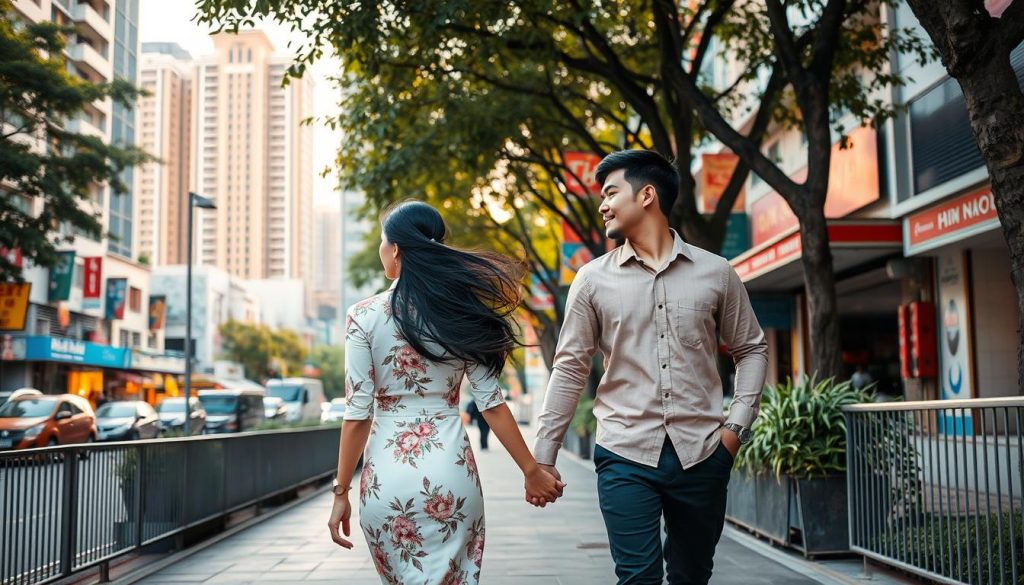
Understanding Vietnamese dating customs is key for a successful cross-cultural relationship. In Vietnam, dating is shaped by both traditional values and modern influences.
Traditional Dating Practices
Traditional Vietnamese dating is deeply rooted in culture. Family plays a big role, and arranged marriages were once common. Today, these practices are less common.
Values like respect for elders and family honor still shape dating customs.
Modern Dating in Urban Vietnam
In cities like Hanoi and Ho Chi Minh, modern dating is more common. Young Vietnamese use dating apps and socialize in public. Yet, traditional values still guide these modern practices.
Family Involvement in Relationships
Family is very important in Vietnamese dating culture. When dating a Vietnamese, be ready to respect their family. This means showing respect to elders, joining family gatherings, and understanding cultural traditions.
Gender Roles and Expectations
When you’re in a cross-cultural relationship in Vietnam, knowing about gender roles is key. It helps you build a strong partnership. In Vietnam, old gender roles shape relationships a lot.
Traditional Gender Dynamics
Vietnamese society was shaped by Confucianism, which values hierarchy and respect. This led to clear gender roles. Men were seen as providers, and women managed the home and family.
In many families, men still earn the money. Women take care of the home and family.
| Traditional Roles | Men | Women |
|---|---|---|
| Primary Responsibilities | Provider | Household Management and Family Care |
| Expected Traits | Strong, Authoritative | Nurturing, Submissive |
Changing Gender Roles in Modern Vietnam
In modern Vietnam, especially in cities, gender roles are changing. Many women now work and help with family income. This makes responsibilities more balanced.
This change is seen in more women in leadership and awareness of gender equality.
Understanding these changes helps you build a strong, harmonious relationship. Being sensitive to cultural gender roles is important.
Meeting the Family: Protocols and Expectations
When you meet your Vietnamese partner’s family, it’s more than just meeting relatives. You’re stepping into a new world that needs respect and understanding. This big step in your relationship asks for cultural sensitivity and knowledge of local customs to make a good impression.
First Impressions and Gift-Giving
In Vietnamese culture, first impressions are very important. When you meet your partner’s family, bringing a gift is a sign of respect and kindness. Good gifts include fresh fruits, flowers, or traditional Vietnamese foods. The most important thing is to choose a gift that shows you care.
| Gift Type | Cultural Significance |
|---|---|
| Fresh Fruits | Symbolizes abundance and respect |
| Flowers | Represents love and appreciation |
| Traditional Delicacies | Shows willingness to embrace local culture |
Navigating Family Gatherings and Holidays
Vietnamese family gatherings and holidays are full of life and tradition. To do well at these events, you need to understand the culture and respect the customs. For example, during the Lunar New Year (Tết), families gather to share traditional foods and wish each other well.
By paying attention to these cultural practices and joining in respectfully, you can grow closer to your partner’s family. This shows you’re serious about understanding and enjoying cross-cultural experiences together.
Overcoming Language Barriers
It’s key to overcome language barriers for a healthy cross-cultural relationship in Vietnam. When you try to talk well with your Vietnamese partner, you get closer. You also learn more about each other’s cultures.
Learning Basic Vietnamese Phrases
Learning simple Vietnamese phrases shows you care about the relationship. Saying “Xin chào” (hello), “Cảm ơn” (thank you), and “Tôi yêu bạn” (I love you) makes your partner happy. It also makes the mood better.
Using Translators and Translation Apps
Today, translators and apps are great for talking across cultures. Google Translate is a big help. It lets you talk and read Vietnamese, making it easier to connect with your partner and their family.
Finding Common Ground Beyond Words
Even without language, you can find things you both like. Doing things together or learning about Vietnamese culture can make you closer. It makes language differences less important.
Managing Cultural Misunderstandings
When you’re in a cross-cultural relationship in Vietnam, you’ll face cultural misunderstandings. But, you can handle them with the right steps. Knowing about these differences helps you build a stronger bond with your partner.
Common Sources of Conflict
Cultural misunderstandings come from different communication styles, values, and expectations. For example, Vietnamese culture values respect for hierarchy and tradition. This might differ from Western cultures’ more equal values. It’s key to understand these differences to avoid problems.
| Cultural Aspect | Vietnamese Culture | Western Cultures |
|---|---|---|
| Communication Style | Often indirect and polite | Typically direct and straightforward |
| Family Values | Strong emphasis on family respect and hierarchy | More emphasis on individualism and personal freedom |
Conflict Resolution Strategies
When conflicts happen, be empathetic and open-minded. Use active listening and ask questions to clear up misunderstandings. Also, being patient and understanding your partner’s view can help a lot.
“The art of communication is the language of leadership.” – James Humes
By being flexible and understanding, you can overcome cultural differences in Vietnam. This way, you can build a strong, lasting bond with your partner.
Building Trust Across Cultural Divides
Trust is key in any good relationship. It’s even more important in cross-cultural ones. In Vietnam, knowing and respecting cultural differences helps build trust.
Demonstrating Commitment
Showing you care is crucial in building trust. Learn about your partner’s culture and values. Learning about Vietnamese customs and traditions helps you understand them better.
Small acts, like celebrating Vietnamese holidays or cooking traditional dishes, show you’re committed. These actions strengthen your bond.
Creating Shared Experiences
Sharing experiences helps build trust. Do things you both like, like exploring Vietnamese culture or going to cultural events. This creates a sense of unity.
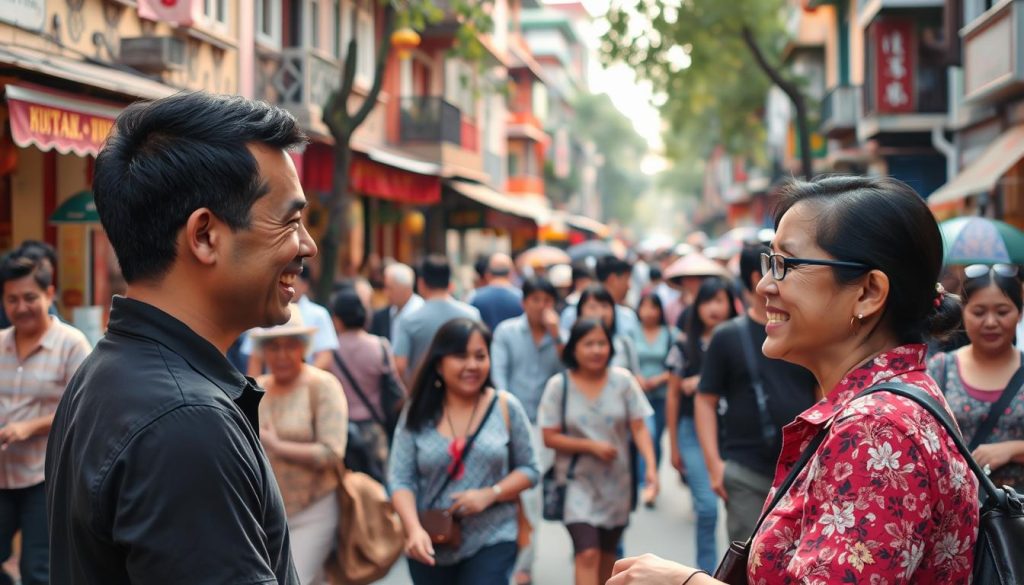
Being open-minded and learning from each other strengthens your bond. Cultural sensitivity is vital in navigating intercultural relationships.
Navigating Religious and Spiritual Differences
Vietnamese culture is rich in religious and spiritual traditions. Navigating these differences is key to a successful relationship. Understanding and respecting these practices can deepen your connection with your partner.
Understanding Vietnamese Religious Practices
Vietnamese religious practices are diverse. They include Buddhism, Confucianism, Taoism, and ancestor worship. These practices are not just rituals but are part of daily life and cultural identity.
Ancestor Worship and Family Altars
Ancestor worship is a big part of Vietnamese culture. Families keep altars in their homes to honor their ancestors. This shows how important family and heritage are in Vietnamese society.
Buddhism, Confucianism, and Taoism
Buddhism, Confucianism, and Taoism deeply influence Vietnamese religious practices. They shape ethics, moral values, and spiritual beliefs. These philosophies teach harmony, respect, and balance in life.
Finding Spiritual Common Ground
Finding common ground in spiritual practices can strengthen your relationship. You can explore each other’s beliefs. Participate in cultural or religious events together. Show respect for each other’s spiritual practices.
| Practice | Description | Significance in Relationships |
|---|---|---|
| Ancestor Worship | Honoring ancestors through rituals and altars | Promotes respect for heritage and family |
| Buddhism | Teaches mindfulness, compassion, and wisdom | Fosters a deeper understanding and empathy |
| Confucianism | Emphasizes moral values, respect, and ethics | Encourages harmony and respect in relationships |
By understanding and respecting these religious and spiritual practices, you can navigate cultural differences more effectively. This can build a stronger, more meaningful relationship.
Legal Considerations for International Couples
Being an international couple in Vietnam means you need to know the law. Cross-cultural marriages have special legal issues. You must understand these to avoid problems.
Marriage Requirements and Procedures
To get married in Vietnam, you must follow the marriage rules. You’ll need to give documents like passports and birth certificates. You also need a marriage form.
This process takes a few weeks. Sometimes, you need an apostille for your documents.
| Document | Requirement |
|---|---|
| Passport | Valid for at least 6 months |
| Birth Certificate | Apostilled or authenticated |
| Marriage Application Form | Completed and signed |
Visa and Immigration Considerations
Expats must know about Vietnam’s visa and immigration rules. You might need a spouse visa or a temporary card. The rules change based on your country and situation.
It’s smart to talk to the right people or an immigration expert. This way, you follow the rules correctly.
Handling these legal steps can be hard. But, knowing what to do makes it easier.
Raising Children in Cross-Cultural Families
Being a parent in a cross-cultural family comes with big challenges. You must understand the cultural differences that affect your family. This way, you can create a loving space for your kids to grow.
Bilingual and Bicultural Education
Deciding how to educate your kids is a big choice. You might teach them both your language and your partner’s. This lets them connect with their heritage in a special way. It also helps them learn about different customs and traditions.
Balancing Cultural Traditions
It’s also key to balance cultural traditions in your family. You and your partner might have different customs and beliefs. You’ll need to figure out how to share these with your kids. This could mean celebrating various holidays, cooking traditional meals, and teaching cultural values.
Identity Development in Multicultural Children
Multicultural kids might struggle with finding their identity. They might feel like they don’t fully belong to any culture. As a parent, being open and supportive is crucial. Encourage them to explore their cultural roots and find their own identity.
Practical Tips for Americans in Vietnamese Relationships
Being in a relationship with someone from Vietnam can be rewarding. Knowing about cultural differences is important. It helps you get along better with your partner and their family.
Adapting to Vietnamese Social Customs
Vietnamese culture values respect and tradition a lot. Actions like using both hands when giving or receiving something show respect. Also, treating elder family members with respect is important.
Navigating Financial Expectations
Money matters differently in Vietnam. Family support and financial duty are big. Talking about money with your partner can prevent problems.
Building Relationships with Extended Family
Family is very important in Vietnam. Getting along with your partner’s family is key. Showing respect and joining family events can strengthen your bond.
Being open and understanding of cultural differences makes your relationship better. It’s all about being sensitive and aware of cultural nuances in Vietnam.
Conclusion
When you’re in a cross cultural relationship in Vietnam, knowing the local culture is key. Understanding the cultural nuances and communication styles helps you connect better with your partner.
Being culturally sensitive is important for a successful relationship. Accepting and valuing both your and your partner’s cultures can deepen your bond.
To build a strong cross-cultural relationship in Vietnam, adapting to cultural differences is crucial. This way, you can create a lasting and fulfilling bond that crosses cultural lines.
By using the tips from this article, you can handle the challenges of cross cultural relationships in Vietnam. You’ll be able to build a strong and meaningful connection with your partner.